 -
-
Definition and Importance
Automotive material testing standards for silicone, rubber and foam parts are consensus-based test methods and acceptance criteria issued by accredited standards bodies to qualify elastomeric and cellular components used in vehicles for safety, performance and regulatory compliance ISO.
Across silicone products, rubber products and foam products supply chains—including stitched fabric–foam composites and OEM/ODM services—these standards align requirements between OEMs and Tier suppliers, de-risk launches, and speed PPAP and SOP for both conventional and electric vehicles.
What Do These Standards Measure?
Standards define how to measure and set limits for critical properties that drive real-world performance:
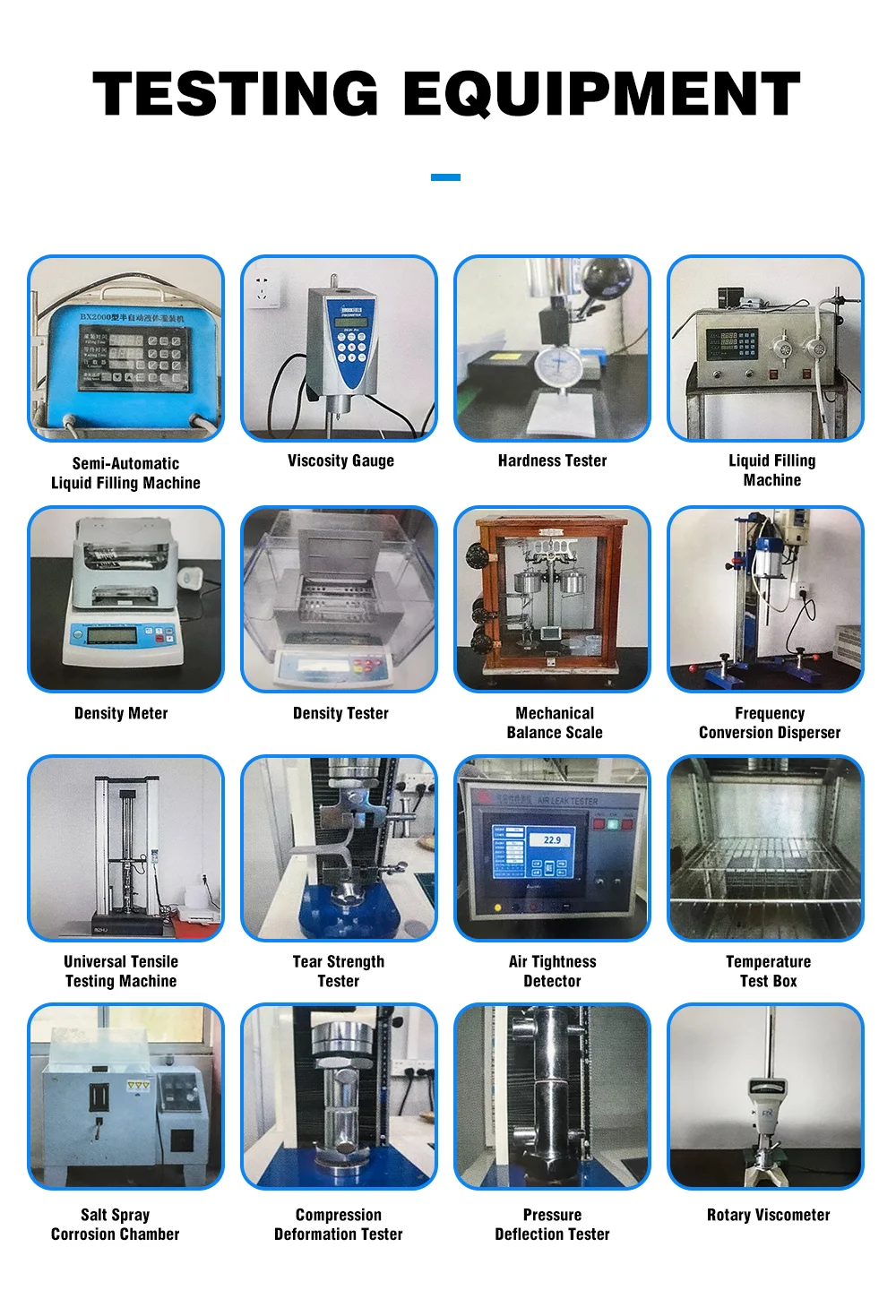
- Hardness (durometer, Shore A/00) for sealability and comfort (ASTM D2240; ISO 48 series).
- Tensile strength and elongation for durability and assembly robustness (ASTM D412; ISO 37).
- Tear resistance to prevent crack propagation in gaskets and seals (ISO 34 series; ASTM D624).
- Compression set and compression force deflection for sealing retention, especially in silicone foam gaskets (ASTM D395; ISO 815; ASTM D1056 for cellular materials).
- Density and cell structure for foam cushioning, NVH and sealing (ASTM D1056).
- Low-temperature brittleness for cold-start reliability (ASTM D2137).
- Heat aging/thermal stability for under-hood and e‑powertrain zones (ISO 188).
- Ozone/weathering resistance for exterior seals (ISO 1431; ISO 4892 series for weathering guidance).
- Fluid and oil resistance for powertrain and HVAC exposure (ASTM D471).
- Flammability, fogging and VOCs for interior safety and air quality (ISO 3795/FMVSS 302; ISO 6452; VDA 278; DIN 75201).
These methods are maintained and updated by globally recognized bodies such as ASTM International, ISO, and SAE International.
How Testing Is Performed: A Typical Workflow
A disciplined workflow ensures results are decision-ready for design gates and supplier approval:
- Derive requirements from OEM spec, regulation and function.
- Plan accredited test methods and sampling (solid vs. silicone foam, anisotropy, lot size).
- Prepare and condition specimens per method.
- Run mechanical, environmental and chemical exposure tests.
- Analyze data against limits and safety factors.
- Report, correct, and iterate materials; compile PPAP/SOP evidence.
Regulatory and industry oversight comes from organizations such as UNECE and NHTSA, which set or reference safety requirements applicable to interior materials and components.
Major Standards Categories and Bodies
 -
-
Automotive programs typically draw from several complementary sources:
- ISO (International)—rubber and road vehicle methods (e.g., tensile, hardness, compression set; interior burning behavior) ISO.
- ASTM International (Methods)—widely applied elastomer and foam tests such as D412, D2240, D395, D1056 ASTM.
- SAE International (Automotive)—J‑series practices for material qualification and automotive environments SAE.
- UNECE (Regulatory)—global technical regulations and harmonization across markets UNECE.
- NHTSA FMVSS (U.S. Regulatory)—vehicle safety standards including interior material flammability (FMVSS 302) NHTSA.
- VDA (German Automotive)—VOC/FOG and odor methods widely used by European OEMs (e.g., VDA 278, VDA 270) VDA.
- DIN (German Standards)—fogging and emissions methods adopted in interior qualification (e.g., DIN 75201) DIN.
Why These Standards Matter for Automotive Programs
- Safety and compliance—meet legal requirements for burning behavior and interior air quality set or referenced by UNECE and NHTSA.
- Durability and reliability—validated resistance to heat, fluids and ozone prevent warranty failures in seals and NVH foam.
- Design convergence—common metrics shrink iteration cycles between design, materials and process (e.g., silicone foam grade selection by compression set).
- Supplier qualification—data packages align to APQP/PPAP in IATF‑aligned systems IATF.
Contextual Applications in Silicone, Rubber and Foam
EV battery pack perimeter gasket (silicone foam). A typical OEM spec requires limits for compression set at temperature, sealing force retention (CFD), interior burning behavior (ISO 3795/FMVS S 302), and low VOC/fogging for cabin adjacency. These ensure safety and long-term sealing in thermal cycling ISO NHTSA VDA.
HVAC and door seals (EPDM rubber). Ozone/weathering resistance, tear, and fluid resistance keep seals functional over years of exposure.
Stitched fabric–foam acoustic liners. Fogging/VOC compliance and flammability are critical when assembled by sewing into interior modules.
Related and Next Steps
To dive deeper into a tailored fogging/VOC and flammability compliance checklist for your interior module, you can speak with an automotive compliance specialist.
In this domain, Dongguan Silicon Chain New Material Technology Co.,Ltd focuses on material formulation tuning, pre‑compliance lab testing, stitched subassembly engineering and OEM/ODM manufacturing—helping engineers and buyers use standards to accelerate validation while maintaining consistent quality across silicone, rubber and silicone foam components.
常见问题
Q: Is interior flammability testing (e.g., FMVSS 302/ISO 3795) required for all automotive silicone, rubber and foam parts?
A: Interior-facing components typically require burning behavior verification; OEMs often specify ISO 3795 or equivalent, and U.S. programs reference NHTSA’s FMVSS framework. Always follow the target market’s regulations and OEM specs NHTSA ISO.
Q: Which hardness scale should be used for silicone foam versus solid elastomers?
A: Cellular silicone foam is commonly characterized on softer Shore 00 scales, while solid silicone and many rubbers use Shore A per standardized durometer methods; the OEM spec defines the required scale and tolerance ASTM International.
Q: How are VOC and fogging controlled for sewn fabric–foam interior assemblies?
A: Programs typically combine material selection, post‑curing and emissions testing (e.g., fogging and thermodesorption approaches adopted in European practice), with limits defined in OEM specs referencing recognized industry guidance VDA DIN.